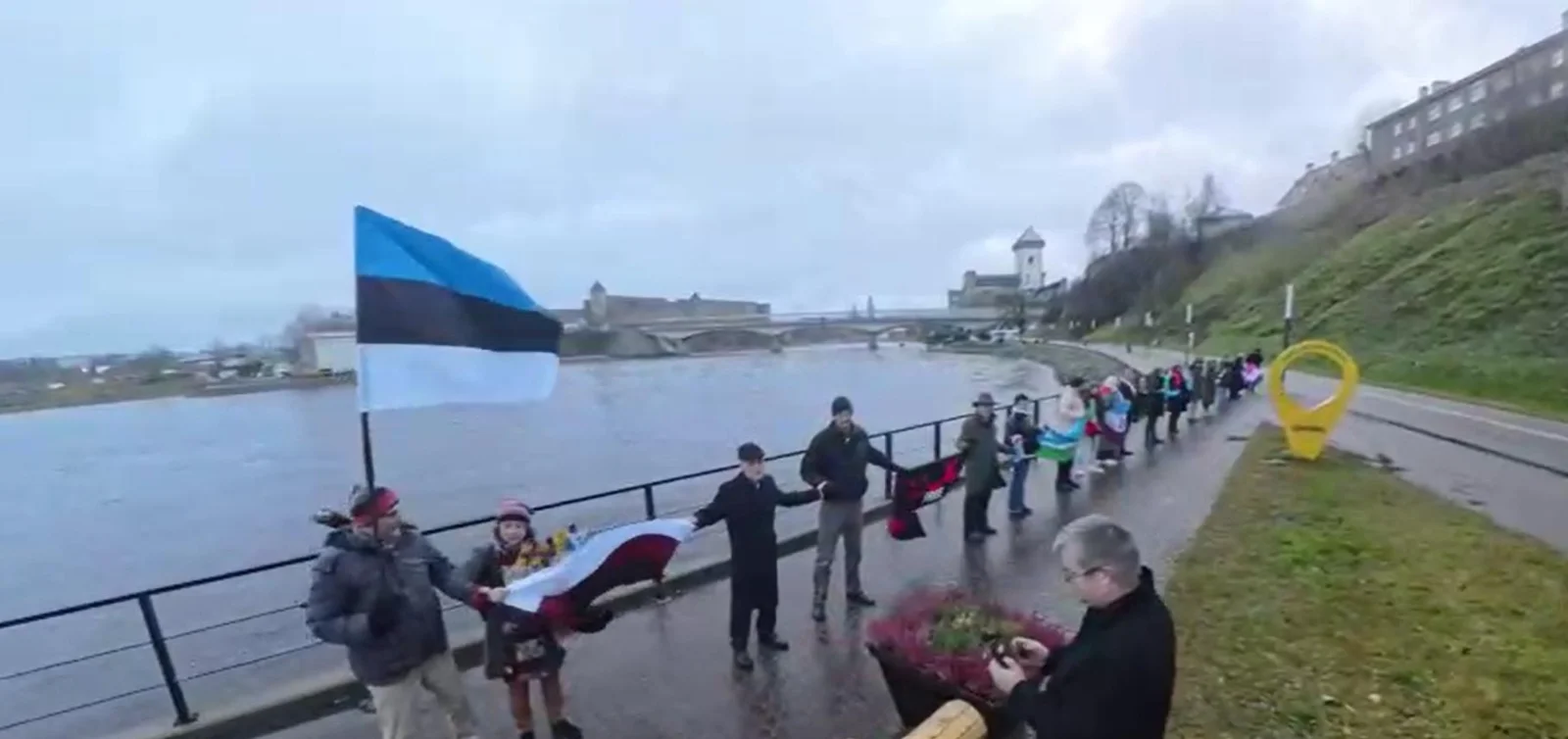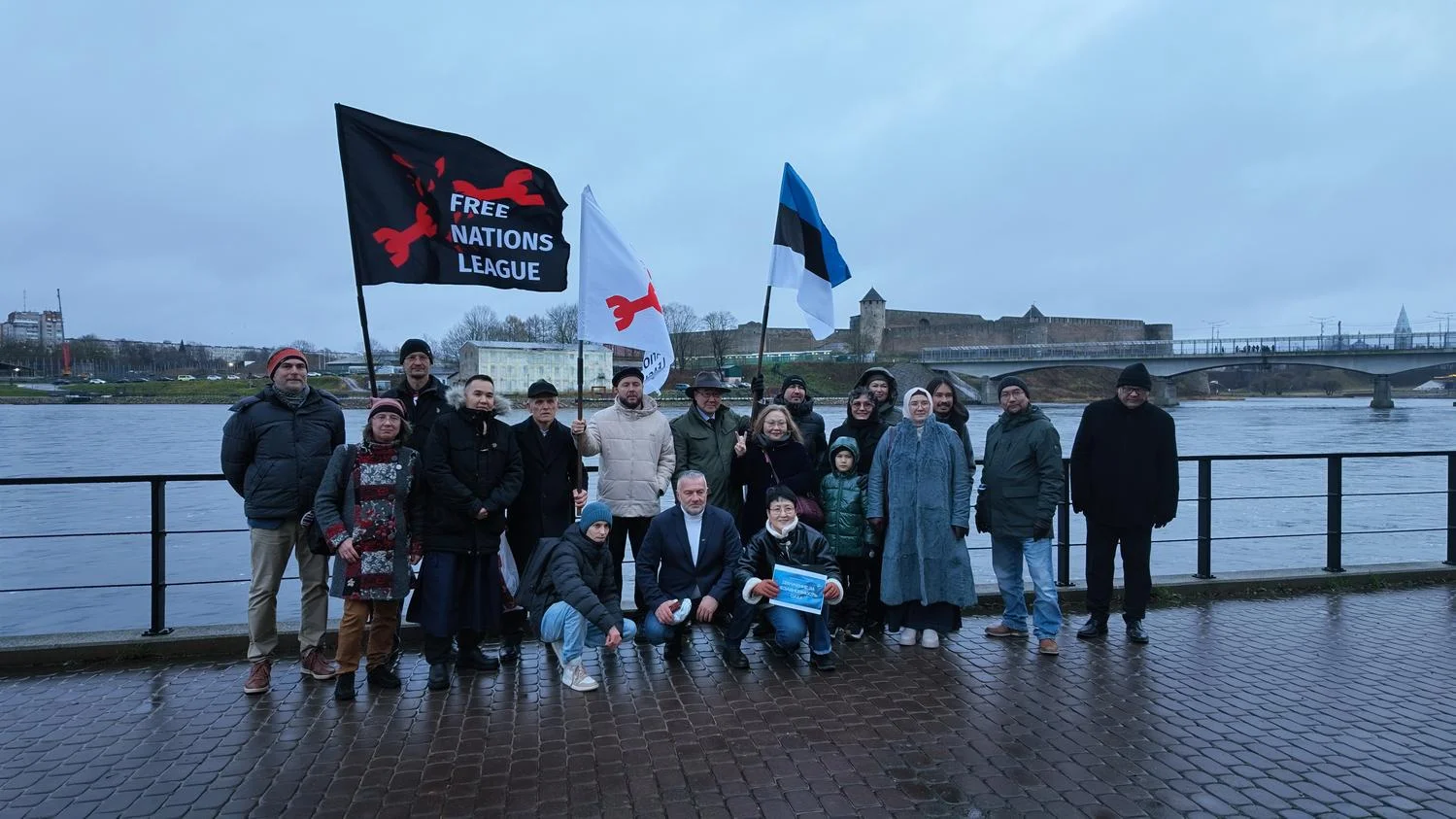
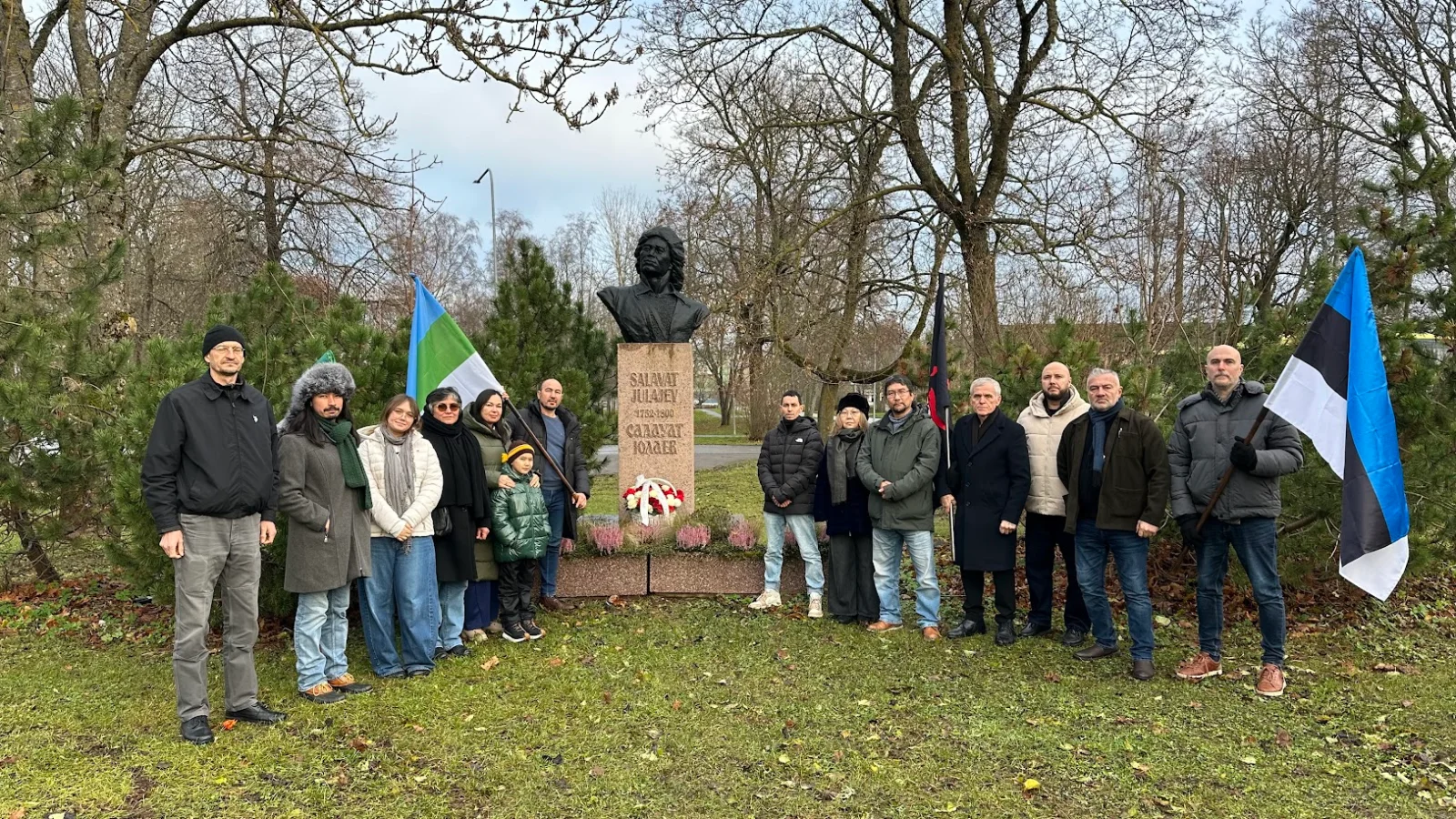

Participants in the Second Congress of the League of Free Nations, held in Narva on 23–24 November, visited the monument to Salavat Yulaev, the national hero of Bashkortostan, in Paldiski, Estonia. Representatives of the national movements laid a wreath from the League at its foot and delivered ceremonial speeches.
It was in Paldiski, at the Rogervik fortress, that Salavat Yulaev spent the last 25 years of his life in penal servitude, to which he had been sent by the authorities of the Russian Empire. He died here in 1800, never having returned to his homeland.
The wreath-laying was a symbolic act: leaders of national movements seeking independence for their republics from Moscow came to honour the memory of a man who fought for the freedom of his people. For the League’s participants, the memory of Salavat Yulaev links the historical struggle for freedom with peoples’ present-day desire to determine their own future.
“It was here, in captivity, that the great son of the Bashkir people and national hero of the Republic of Bashkortostan, Salavat Yulaev, lived out his last days. His father, the headman Yulay Aznalin, and the Tatar batyr Kanzafar Usaev are also buried here. Salavat Yulaev is a symbol of the Bashkir people’s resistance and struggle for independence. He did not spare his life for the chance to make the Bashkirs a free people. His feat is a guiding star and a reference point for us in our struggle for the independence of Bashkortostan, which continues to this day. It is deeply symbolic that members of different national liberation movements came to the monument to Salavat Yulaev and paid tribute to the Bashkir batyr,” said Ruslan Gabbasov, head of the Bashkir National Movement Committee Abroad and a member of the League of Free Nations.
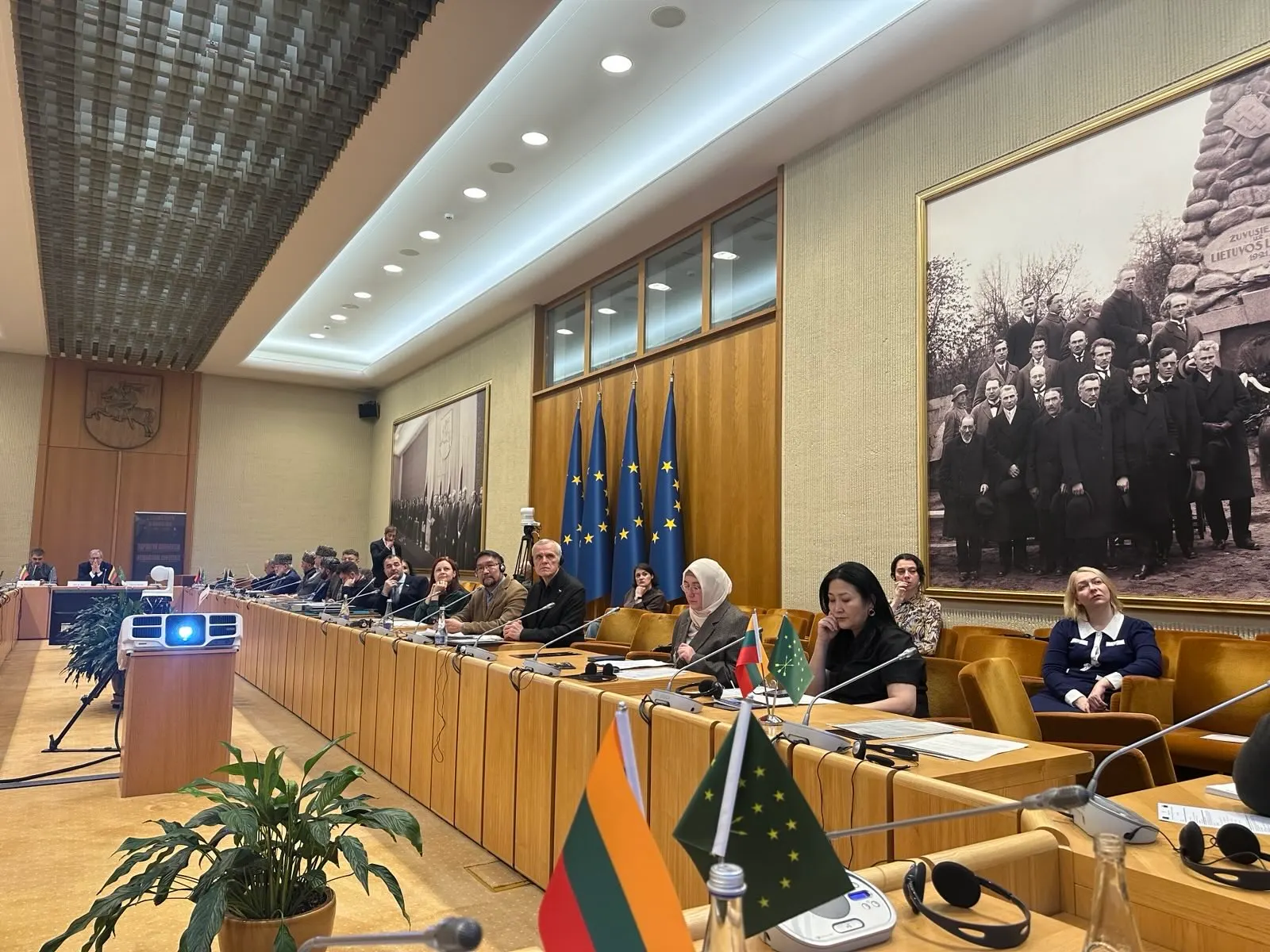
At the Second Congress of the League of Free Nations, which brings together 12 national movements of Indigenous peoples of Russia, delegates took stock of the League’s work over the past two and a half years and set priorities for the future. Among other things, the participants approved a revised version of the League’s Statute and the report “On the Situation of Indigenous Peoples of the Russian Federation”, and adopted a number of statements and appeals to parliaments, governments and international organisations.